Colonoscopy appointment
Schedule an Colonoscopy appointment in Israel within 24 - 48 hours
Looking for an Colonoscopy diagnostic appointment in Israel?
Medassist provides quick appointments for Colonoscopy examination with on-site results, and a consultation with the doctor about the findings. The examination are conducted privately by an experienced Gastroenterologist with many years of expertise.
Quick and Professional Services
Expert Gastroenterologists: All colonoscopy exams are performed and interpreted by senior gastroenterology specialists with extensive diagnostic experience.
Immediate Results & Consultation: Receive a detailed report and discuss the findings directly with your expert gastroenterologist, ensuring clarity and peace of mind.

Document Translation Services: We offer fast and accurate translation of medical documents between English and Hebrew at competitive, affordable rates, so you can share your results with specialists from your country if needed.
Insurance assistance: Our team assists with appointment scheduling, insurance handling (international insurance), and paperwork, including translation of documents, ensuring a smooth experience.
Book Your Colonoscopy Today: Schedule your colonoscopy exam with our experienced gastroenterologists and get reliable, professional results with expert support every step of the way.
Contact Us to schedule Colonoscopy appointment
Complete the request form or Contact our team by phone
What is a Colonoscopy?
A colonoscopy is a medical procedure that allows a gastroenterologist to examine the inner lining of the large intestine (colon) and rectum using a flexible, camera-equipped tube called a colonoscope. This procedure helps detect abnormalities such as polyps, inflammation, bleeding, and early signs of colon cancer.
Why Colonoscopy is Important
Early Detection of Colon Cancer: Colonoscopy is the most effective method to find colorectal cancer at an early, treatable stage.
Diagnosis of Digestive Issues: It helps identify causes of abdominal pain, chronic diarrhea, constipation, or unexplained bleeding.
Polyp Removal and Prevention: Small growths called polyps can be removed during the exam, preventing them from becoming cancerous.
What to Expect During a Colonoscopy
The procedure is performed by an experienced gastroenterologist.
Patients are usually sedated for comfort, making the exam painless.
After the procedure, the doctor will explain the findings and next steps, including any treatment or follow-up needed.
Why Choose Our Colonoscopy Services
Expert Gastroenterologists: All exams are performed and interpreted by senior specialists with extensive experience.
Immediate Consultation: Get your results and discuss them directly with your doctor.
Insurance Assistance & Document Translation: We handle paperwork, including international insurance and translation of medical documents.
Book Your Colonoscopy Today
Schedule your colonoscopy with our experienced specialists to ensure early detection, accurate diagnosis, and professional support throughout the process.
How Colonoscopy is Performed
A colonoscopy is a safe and effective procedure used to examine the colon and rectum for abnormalities, including polyps, inflammation, and early signs of colorectal cancer. Here’s how the procedure is typically performed:
1. Preparation Before Colonoscopy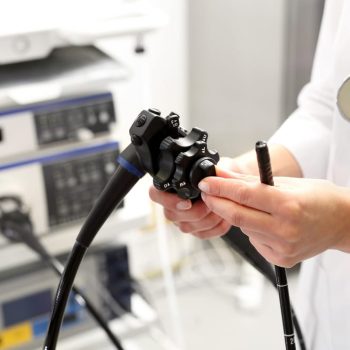
Proper preparation is essential for an accurate exam. Patients are advised to:
Follow a special diet 1–2 days before the procedure.
Take prescribed laxatives or bowel-cleansing solutions to empty the colon.
Avoid certain medications if instructed by the doctor.
2. During the Procedure
The exam is performed by an experienced gastroenterologist in a clinic or hospital setting.
Patients are usually given sedation or anesthesia to ensure comfort and a painless experience.
A flexible colonoscope, equipped with a camera and light, is gently inserted into the rectum and advanced through the entire colon.
The doctor carefully examines the colon lining, looking for polyps, inflammation, bleeding, or other abnormalities.
3. Additional Procedures During Colonoscopy
Polyp Removal: Small growths (polyps) can be removed immediately during the exam to prevent cancer.
Biopsy: Tissue samples can be taken for further testing if needed.
4. After Colonoscopy
Patients recover from sedation in a short period and are provided with post-procedure instructions.
The doctor discusses findings and next steps, including treatment plans or follow-up exams.
Most patients can resume normal activities the next day.
We’re Here to Help - Contact Us
Complete the request form or Contact our team by phone
Medical Services
FAQ – Colonoscopy, a helpful questions and answers.
- A colonoscopy is recommended by a gastroenterologist or your physician to examine the large intestine (colon and rectum).
It helps diagnose or prevent various conditions such as: - Persistent abdominal pain or changes in bowel habits
- Rectal bleeding or unexplained anemia
- Screening for colon cancer or polyps
- Follow-up after previous colon surgery or abnormal imaging results
- Monitoring chronic conditions like Crohn’s disease or ulcerative colitis
Proper preparation is essential for accurate results. Your doctor will provide detailed instructions, which may include:
- Bowel cleansing: Taking prescribed laxatives or solutions to empty the colon
- Dietary restrictions: Avoid solid foods 24 hours before the test; drink clear liquids only
- Fasting: No food or drink for several hours before the procedure
- Medication guidance: Inform your doctor about blood thinners, diabetes medications, or any other prescription drugs
Colonoscopy is usually performed under light sedation or anesthesia, ensuring you feel relaxed and comfortable.
Most patients report no pain and only mild bloating or gas afterward.
Colonoscopy is a safe and routine diagnostic procedure.
Possible mild side effects include:
- Temporary bloating or gas
- Mild cramping or discomfort
- Small risk of bleeding, especially after polyp removal
- Very rare risk of colon perforation
Your gastroenterologist will discuss these risks and safety precautions before the procedure.
Usually, you can continue taking your regular medications.
However, inform your doctor about:
- Blood thinners (e.g., Aspirin, Warfarin, Plavix)
- Diabetes medications or insulin
- Iron supplements (may need to be stopped a few days before)
Always follow your doctor’s instructions to ensure a safe and effective test.
Yes, Colonoscopy can often be safely combined with Gastroscopy (upper endoscopy) in a single visit. This allows gastroenterologists to examine both the upper and lower gastrointestinal (GI) tract efficiently, reducing multiple appointments and providing a comprehensive evaluation. Combining these procedures is convenient, saves time, and may improve early detection of GI conditions. Sedation is typically administered to ensure comfort during both exams.
Sometimes a colonoscopy is performed along with:
- Gastroscopy (Upper Endoscopy) – to examine the stomach and upper digestive tract
- CT Colonography – for non-invasive imaging, also known as a Virtual Colonoscopy.
- Biopsy or Polyp Removal – if suspicious tissue is detected during the procedure
These combinations help create a comprehensive evaluation of the digestive system
A virtual colonoscopy is a medical imaging procedure that allows doctors to examine the large intestine (colon and rectum) for polyps, tumors, or other abnormalities without using a traditional colonoscope. It’s also called CT colonography. Here’s a clear breakdown:
How it works:
Preparation: Similar to a traditional colonoscopy, the colon must be cleaned beforehand, usually with a laxative or bowel prep solution.
Imaging: The patient lies on a CT (computed tomography) scanner table. Small amounts of air or carbon dioxide are gently introduced into the colon to expand it for better imaging.
Scanning: A CT scan takes detailed cross-sectional images of the colon.
3D Reconstruction: Specialized software creates a 3D model of the colon that a radiologist can examine for abnormalities.
Advantages:
- Minimally invasive (no scope inserted through the entire colon).
- Short procedure, usually 10–15 minutes.
- Can detect polyps and some cancers.
Limitations:
- If polyps are found, a traditional colonoscopy is usually needed to remove them.
- Less effective in detecting very small polyps.
- Involves exposure to a small amount of radiation.
In short, a virtual colonoscopy is a safer, less invasive alternative for colon screening, but it does not replace the therapeutic capabilities of a standard colonoscopy.
If you want, I can also make a simple comparison table between virtual and traditional colonoscopy for quick understanding. Do you want me to do that?
Diagnostic Colonoscopy – to identify the cause of symptoms
Screening Colonoscopy – for early detection of colon cancer and polyps
Therapeutic Colonoscopy – includes polyp removal (polypectomy) or bleeding treatment
Surveillance Colonoscopy – for follow-up after previous findings
The cost of a private colonoscopy depends on:
Inclusion of polyp removal or biopsy
Clinic location and specialist’s experience
The typical price for a colonoscopy ranges from 5000 to 6000 ILS, including consultation and sedation
Yes, a referral is required for a colonoscopy. It helps the gastroenterologist to:
- Focus the test on the correct area
- Tailor the procedure to the patient’s medical condition
- Ensure accurate and efficient diagnosis
If needed, Medassist can organize a phone consultation with a qualified doctor to obtain the referral for a colonoscopy according to their professional medical decision.
CALL: +972-3-7724-228
Yes. Medassist offers colonoscopy as a private service, available for self-payment.
However, patients with health insurance may receive full or partial reimbursement, depending on their insurance plan and policy.
If you are a foreign (non-Israeli) resident or have international insurance coverage, we can accept a Guaranty of Payment from your insurance company. This allows you to receive care without upfront payment, depending on your insurance policy.
If you are Israeli citizen you can get an appointment trough your Israeli HMO (Health Maintenance Organization), known as “Kupat Holim“.
For Israeli citizens with private health insurance, partial reimbursement may be available according to the terms of your policy and insurance plan.
If you are a foreign resident or have international Health or Travel insurance, we can accept a Guaranty of Payment of your insurance company. This allows you to receive medical care without upfront payment, depending on your insurance policy.
Read more how you can use your health or travel insurance in Israel by our partner Medex – Medical Assistance in Israel
No, Medassist does not accept Form 17 (HMO Coverage) or public health funds known as “Kupat Holim”.
All services provided by Medassist are paid services. However, insured patients may be eligible for reimbursement from their insurance company according to the terms of their policy
If you are a foreign resident or have international insurance coverage, we can accept a Guaranty of Payment from your insurance company. This allows you to receive care without upfront payment, depending on your insurance policy.
For Israeli citizens with private health insurance, partial reimbursement may be available according to the terms of your insurance policy plan.
If you are a Foreign Resident and have International Health or Travel insurance, we can accept a Guaranty of Payment of your insurance company. This allows you to receive medical care without upfront payment, depending on your insurance policy.
Read more how you can use your health or travel insurance in Israel by our partner Medex – Medical Assistance